KTM X-Bow (since 2008): Track test


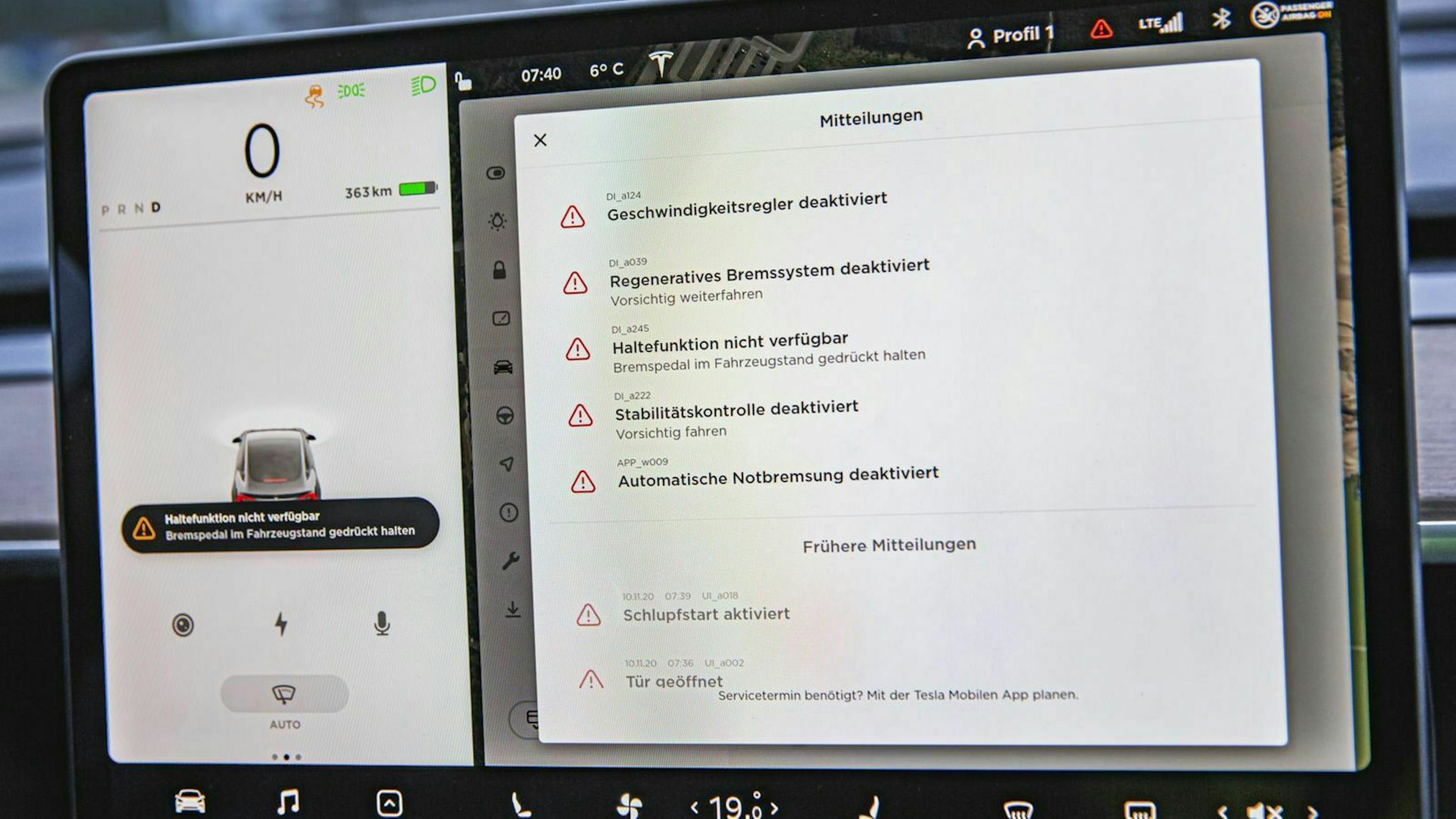
On the screen of the Tesla Model 3, it looks like the screen of the Starship Enterprise after a Klingon attack. With messages about failed and disabled functions across the entire tablet. Deregistration has immediate and significant consequences for driving behavior: The ESP stability program is now at rest in this 4.7-meter sedan, and the 440 hp (324 kW) electric car potentially goes sideways. Actually (and noteworthily), as it turns out shortly afterwards.
It is a standardized driving test that leads to multiple system failures in Tesla's Model 3 Dual Motor Long Range: seven left and seven right turns just above the grip limit of the winter tires, as a slalom around erected pylons at the ADAC Driving Safety Center Berlin-Brandenburg. What do Tesla's technicians say about the ESP failure? What does it mean for reality? And under what circumstances can the admonishingly raised index finger give way to a pubescent thumbs up? We'll clarify that here.
The Tesla Model 3 (since 2018) at a glance:
- 4.68-metre-long electric mid-size sedan
- Available from 258 hp (190 kW) to 510 hp (377 kW)
- In the test with mid-drive: 440 hp (324 kW) and all-wheel drive
- Handling +: surprisingly agile in changing corners and during load changes
- Handling -: early brake fading, ESP failure (one-time)
Tesla 3, Driving Safety and Dynamics: Why This Tesla Test Counts | Why this Tesla test counts
Members of a wild boar family rarely position themselves at a perfect distance of 18 meters along the center line. And if it does, a Tesla driver is unlikely to curve around the animals in the upper area of the lateral force line of his Pirelli Sottozero 3. But the reaction of a car in vertical slalom (according to the principle of the ISO standard) says a lot about the handling of fast lane changes, the tendencies in alternating curves, the reactions to sudden load changes.
If the technology fails here, it is always very negative for a car. To put this into perspective: Most drivers never see their car's airbag. And that's a good thing. However, if they don't see him even in an emergency, this can have fatal consequences.
The situation is similar in the event of an ESP failure. Because we all know the crash of "computers", we do not evaluate it critically. However, security systems that are supposed to save lives in the car must be evaluated more critically than the crash of a browser.
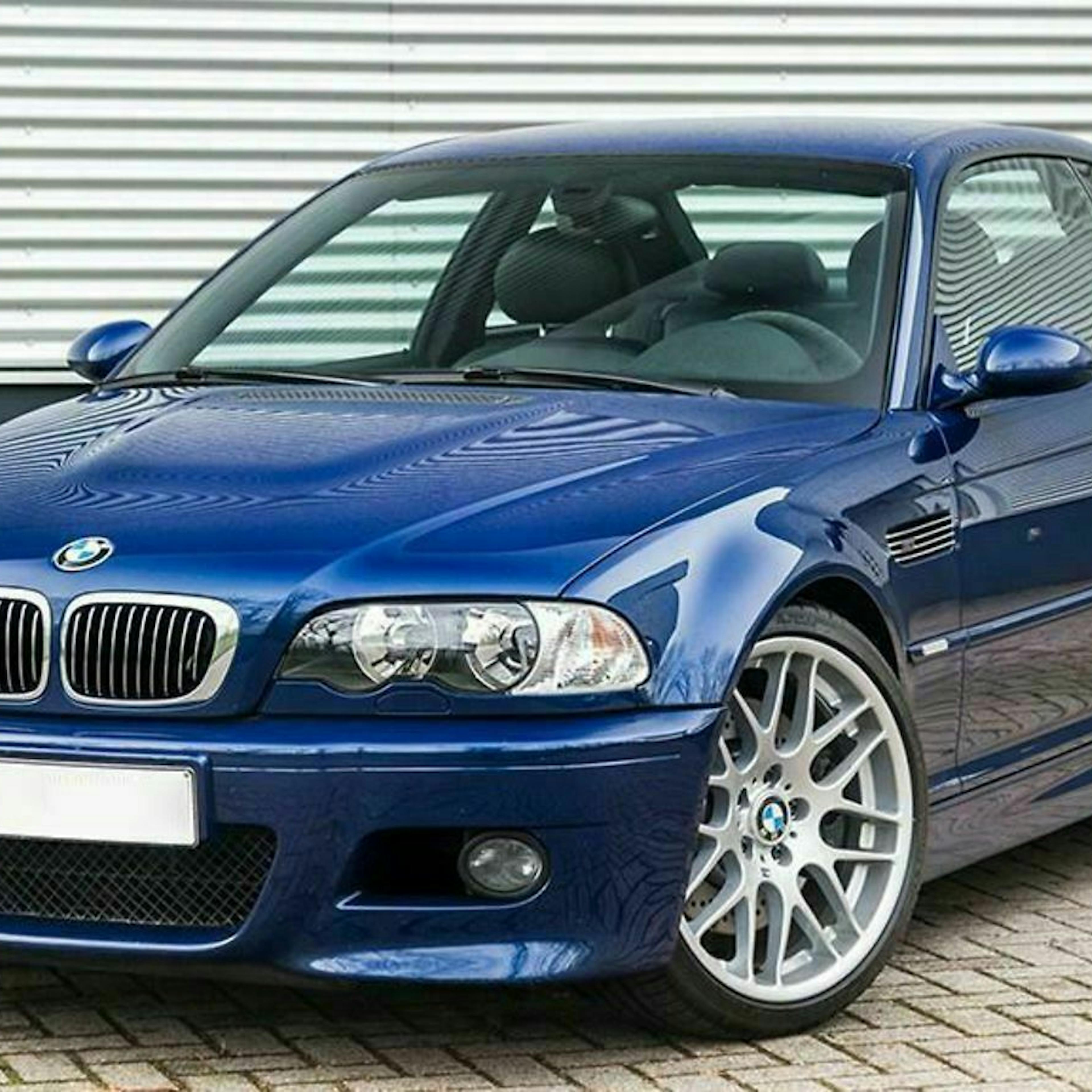
Keeping this in mind gives weight to the electronics failure in the first test station: We take the Tesla Model 3, this electric mid-range limo, seriously. For too long, the world has treated the Tesla, which was launched in 2018, as a longer-range variant of the Nissan Leaf. The all-wheel-drive test car delivers more power than a standard BMW M3. With 493 Newton meters, more power than an Audi RS4 B8. A battery-weighted 1,967 kilograms still undercuts the curb weight of an AMG GT four-door model. In addition, at least 52,400 euros is a lot of euros - no matter in which relation you put the base price. Such a model cannot be reduced to range analyses (560 km according to WLTP with 72 kWh) or processing discussions. It's all about driving pleasure and predictability. And to be honest, the model delivers that. Before and after the failure of the ESP – just in a different form and with different risks.
The driving tests at the ADAC Driving Safety Center Berlin-Brandenburg at a glance
| Driving test | Description |
|---|---|
| Slalom | Vertical row of hats with 18-metre spacing (principle of ISO standard) |
| Evasion test | Simulated evasive maneuver through three pylon alleys (second offset) |
| Acceleration | Standing start to 100 km/h on flat surface |
| Braking | Braking distance 100 km/h to standstill on flat surfaces |
| Country road-like course | Selective handling course with a length of 1,484 meters (measured racing line) |
Stability program in the Tesla Model 3: When it works, it runs passably
Gray Star Trek retrospectives and an orange slingshot car symbol (including clues) appear after about seven serious playthroughs. Until then, the ESP of the Model 3 is working according to plan. In principle, this means that it supports the driver via (separate) brake interventions on all four wheels. Just like in every other car in which ESP has been required by law since November 2014.
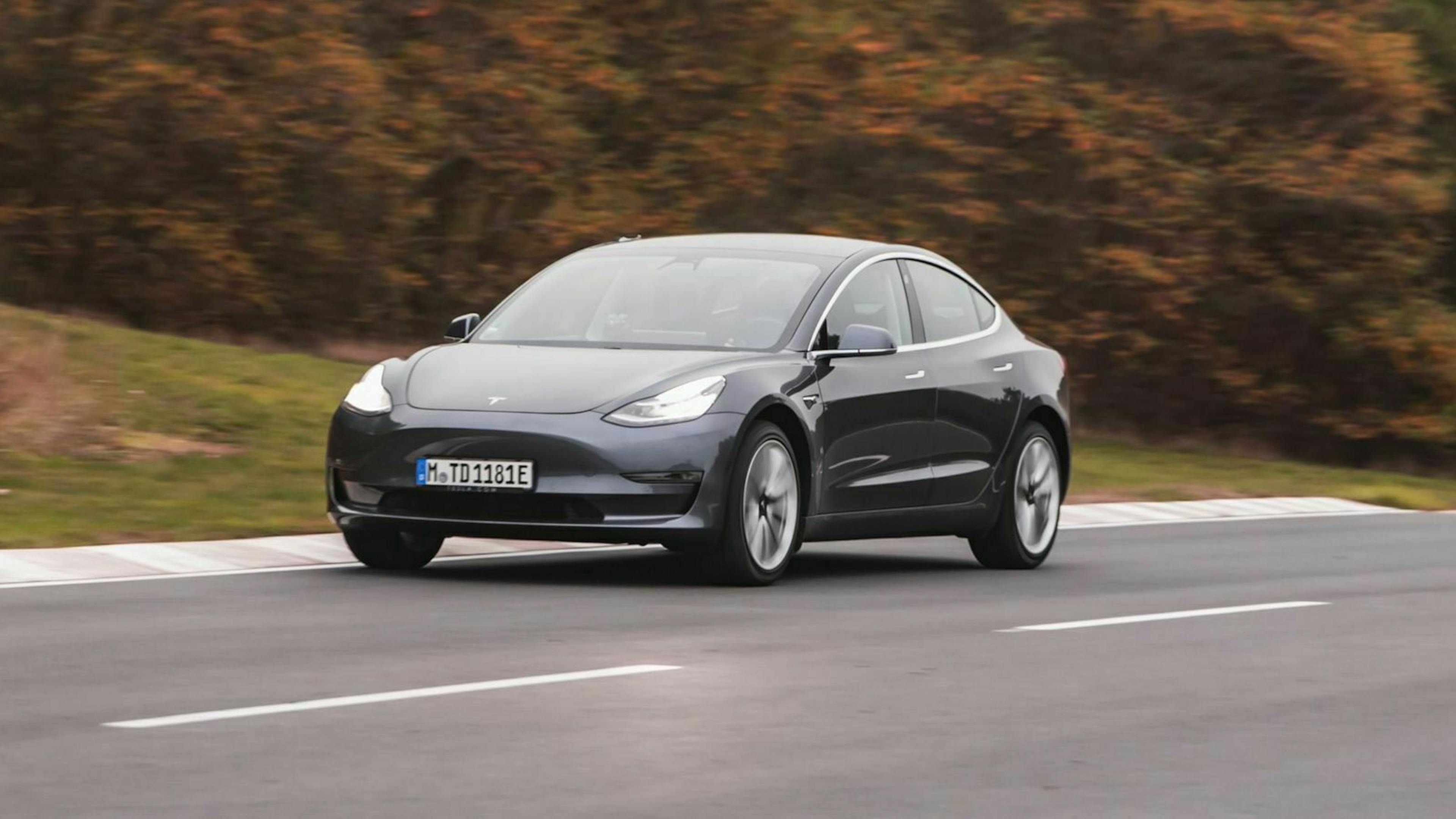
In detail, the Model 3 gives the driver a lot of freedom. Feel the reaction, but don't fear it – this is roughly the principle on which the Americans coordinate the stability program. Not a bad access for everyday life between the shopping street, country road and charging station. The ESP allows slight slip angles to pass for a short time, real cross-driving is not possible. To classify: With some manufacturers, such a logic of action is already known as "ESC Sport". In other words, as an intermediate stage for soulful moments on the open road. It feels like the Tesla lets the rear axle do its thing rather than the front. With two restrictions: The kick-down does not tend to blow up the grip circle of the tires. This is because the electronics pay quite meticulous attention to how abruptly the force is transferred to the axles. With a steering angle at the same time, it reacts conservatively. In addition, the system takes no prisoners with the oncoming commuter. It prevents everything that comes after an initial sideways movement via hard braking (up to a short blocking) on the front wheel on the outside of the curve. Courageous SUV drivers know the latter.
In itself, the support of the entry-level Tesla (258 hp, 190 kW rear-wheel drive) and the tested mid-range cannot be deactivated, restricted, or adjusted. But the system message in the test is correct: The ESP will no longer intervene on the driving safety area in Linthe near Berlin for the time being.
The Tesla Model 3 in video: ESP failure and drift
The safety perspective: How tricky (and often) does a Model 3 drive without ESP?
From here on, there are two points of view. From the safety perspective that is needed on public roads: weak, Tesla. A few curves around plastic cones (including a gentle return to the start) should not cause any problems for the most important driving dynamic helper apart from the anti-lock braking system. That cruise control and city emergency braking function go on pause at the same time? Suboptimal, of course. But such radar and camera-based assistants unfortunately get out of test cars from time to time and across all brands and segments (not only in bad weather). Overall, ESP abnormalities occur much less frequently.
After all, in the course of our test series on the ADAC driving safety site in Berlin-Brandenburg, ESP and Co. resume their service and then remain active. Did the pressure on "P" on the gear selector lever direct it? Was it because the door was opened when the car was stationary? In retrospect, it's hard to say. Both happened at about the same time.
More important is the question to Tesla anyway: What was going on? A software error, is the rather general first answer. We probed and learned: The control software had been installed improperly, and the problem had already been fixed in the software center. In general, a "soft reset" (longer simultaneous pressing of the two dials on the steering wheel) can help in such cases. And: It was a problem with our test model, not a general problem with the Model 3. At that time, the test car has long since been back in the manufacturer's parking lot.
The cross-check makes this seem plausible: In a survey on motor-talk.de, all 25 Model 3 owners surveyed clicked: "No, there has never been a failure, deactivation or abnormalities of the stability program in my Tesla Model 3." Nor do Model 3 or X pilots report an incident.
Overview of mandatory assistants and safety devices in new cars
| Furnishings | Mandatory in new cars in Germany since/from |
|---|---|
| Safety belts | since 1974 (often already existing) |
| Anti-lock braking system (ABS) | since 2004 |
| Electronic stability program (ESP, ESC) | since 2014 |
| Emergency braking and lane keeping assistance | from 2022 (EU-wide) |
| Preparation of alcohol immobilizer | from 2022 (EU-wide) |
| Turn Assist | from 2024 (in trucks) |
The (admittedly) pubescent point of view: How sideways does the Model 3 go?
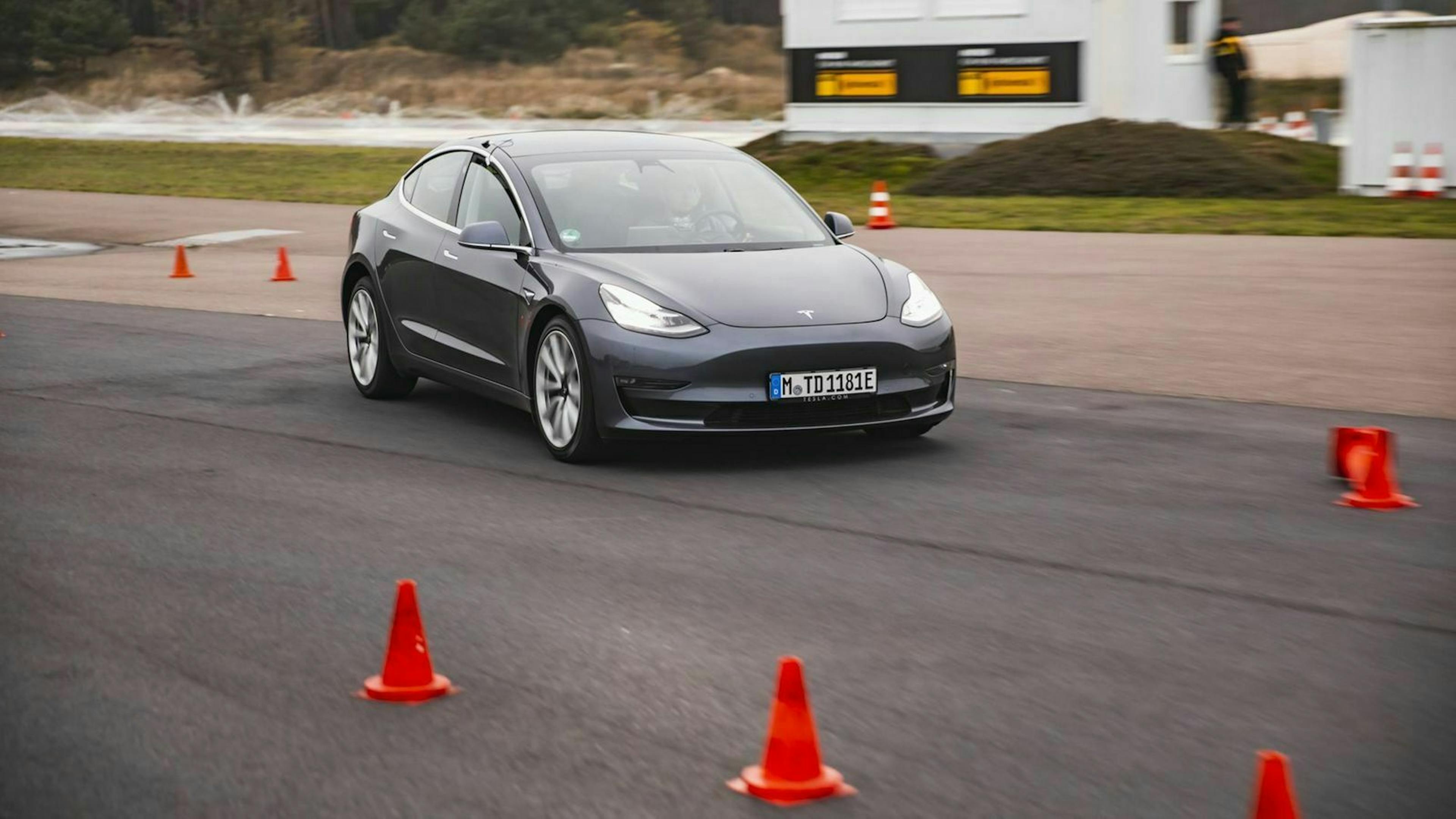
The second possible view leads across the direction of travel and far past the StVO: Unbelievable how precisely the electric hatchback sedan can be moved on a closed road. Because, we have to be honest: The verification of the "stability program deactivated" message is done with provoked oversteer: commuters, correct, counter-commuters. Across around erected pylons. It's unbelievable how beautifully the electronically unleashed Tesla can swing through the rows of hats! How easy it is for us to play with the almost 2-ton car.
Nobody does it with a Tesla? But many would like to. Relevant brand forums are full of advice on how to deactivate the anti-skid system, and the corresponding moving images are available on YouTube. The spectrum ranges from rustic solutions via plug-pull to crude key combinations – and no, we tried none of this with our test Model 3.
Yes, we are not even looking for the silver bullet – what the fan community calls a "drift update". It was hopeless, because Tesla only offers the Track Mode 2 application introduced at the end of 2018 for the Model 3 top model. Over-the-air, the 510 hp (377 kW) Long Range Performance with sports suspension and Brembo brakes gets an ESP-Off button. The presumed difference to the driving behavior of our "small" all-wheel-drive vehicle with ESP deactivated (unscheduled): the reactions when using the gas. Because the oversteer test Tesla still reacts cautiously to serious commands from the right foot.
Measured values at a glance
| Tesla Model 3 Dual Motor Long Range | |
|---|---|
| Tyres | Pirelli Sottozero 3 winter tyres (19-inch options) |
| Outside temperature in the test | 9.8 degrees Celsius |
| Weather in the test | Dry road surface |
| Slalom with 18-metre pyolon spacing | 66.8 km/h |
| Slalom reaction to sudden load changes | Slightly oversteer |
| Acceleration 0 to 100 km/h | 4.6 sec (manufacturer's specs 4.4 sec) |
| Braking distance (warm) 100 to 0 km/h | 40.8 meters |
| Most significant intervention of the stability programme | scheduled for oncoming commuters (rear breakout in the opposite direction) |
| Impression of a country road-like course (handling course at the ADAC Driving Safety Centre Berlin-Brandenburg) | wonderfully agile in alternating corners, cumbersome in braking zones |
The Pragmatic View of the Tesla 3 - Measurement Data: Speed Specifications, Acceleration | The pragmatic view - measurement data: speed data, acceleration
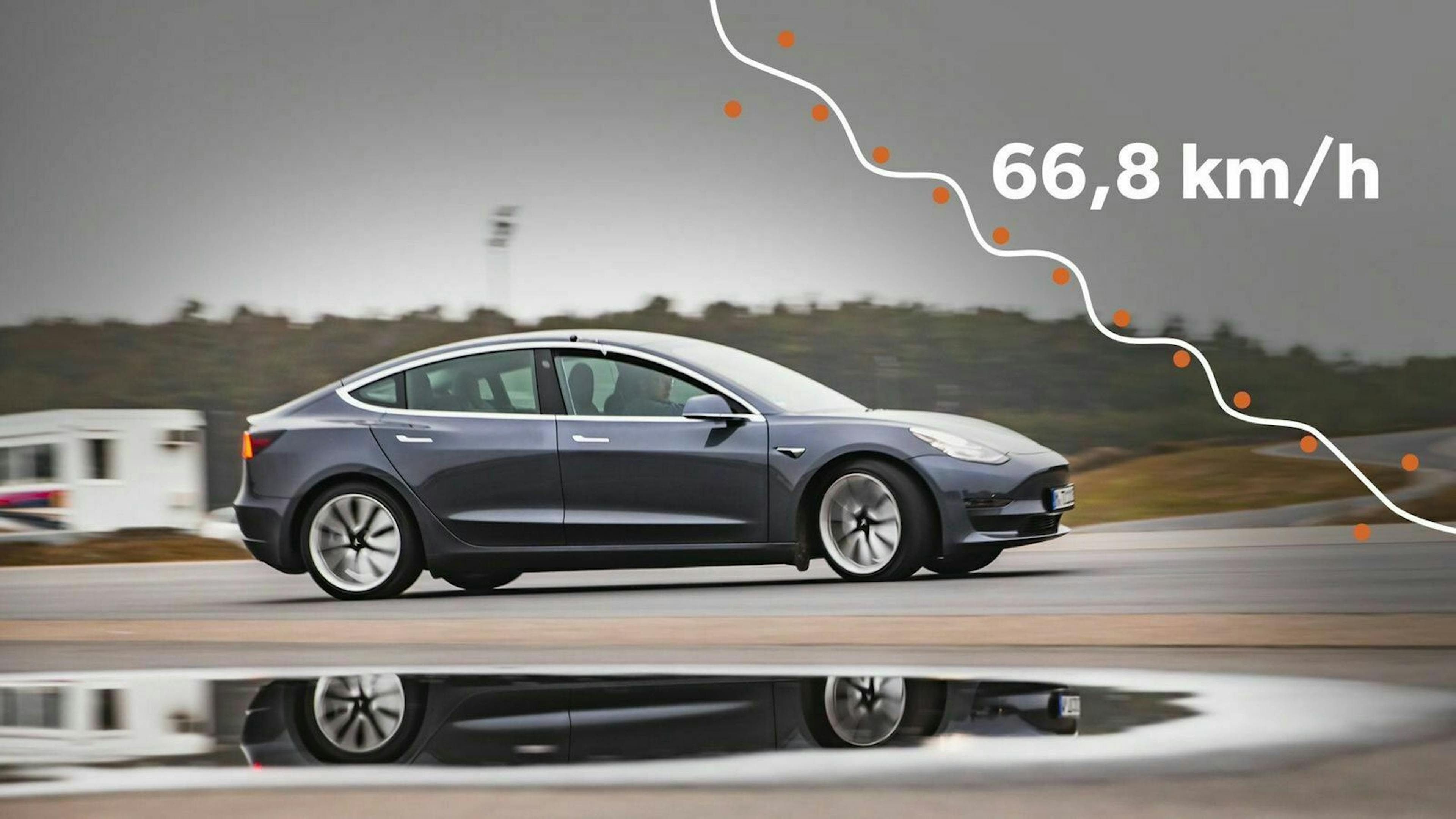
In addition to these two points of view, there is the data-driven perspective: According to the GPS measuring system (Racelogic V-Box), the electronically uninhibited Tesla does not drive faster through the slalom: 66.8 km/h with as without an ESP safety net. During the wild commute, the display reports around 53 km/h. Of course, driving sideways takes time.
At the regulars' tables of the republic, the longitudinal dynamics are discussed more heatedly: Our Tesla needs a rumoured 4.4 seconds from 0 to 100 km/h, at least in the theory of the data sheet. The opposing side argues with divergent measurement methods of the Americans when a car is rolling in ("one-feet rollout"). Or with the company's generally relaxed approach to performance information.
We can contribute 4.6 seconds to the discussion. The measuring device shows a justifiable 0.2 tenths more (from a standstill) in our test on winter tires. In several tests on the premises of the ADAC Driving Safety Center Berlin-Brandenburg, at most the second number after the decimal point changes. This is surprising because we are experimenting – spurred on by the sovereignty of the situation: On the front axle, an AC induction motor sends 160 hp (121 kW) into a single-speed transmission, while on the rear axle, a permanent magnet synchronous motor sends 280 hp (203 kW) towards the wheels. It just doesn't feel like it right away, because the Tesla beams itself towards 100 km/h without any noticeable slippage on the wheels – we select the "slip start" in the submenu, which is regularly used for driving out of masses of snow. Pre-tension the drivetrain by stepping on the brakes. However, the sprint value remains in the same range. Like this or like that.
Tesla Model 3 (2020) Brake: Solid Braking Distance, Moderate Load Capacity | Brake: Solid braking distance, moderate load capacity
According to the recording, the Tesla takes 40.8 meters (warm) to get back to a standstill. A solid value on winter wheels. Early models were scolded in the test of a US consumer magazine because of the long braking distance. The 2018 models in question are said to have needed around 46 meters for the simulated emergency stop. Tesla reacted with a software update at the time. And specifies 40.5 meters of braking distance for the Model 3 – on summer tires.
In other words, numerically it runs passably at the full stop. Haptically and nose-wise, the Model 3 fails. The ABS regulates the access of the brake calipers to the standard discs (320 millimeters diameter at the front, 335 at the rear) wooden, and the sweet smell of battered stoppers penetrates the interior early on.
Tesla Model 3: Handling in practice | Handling in practice
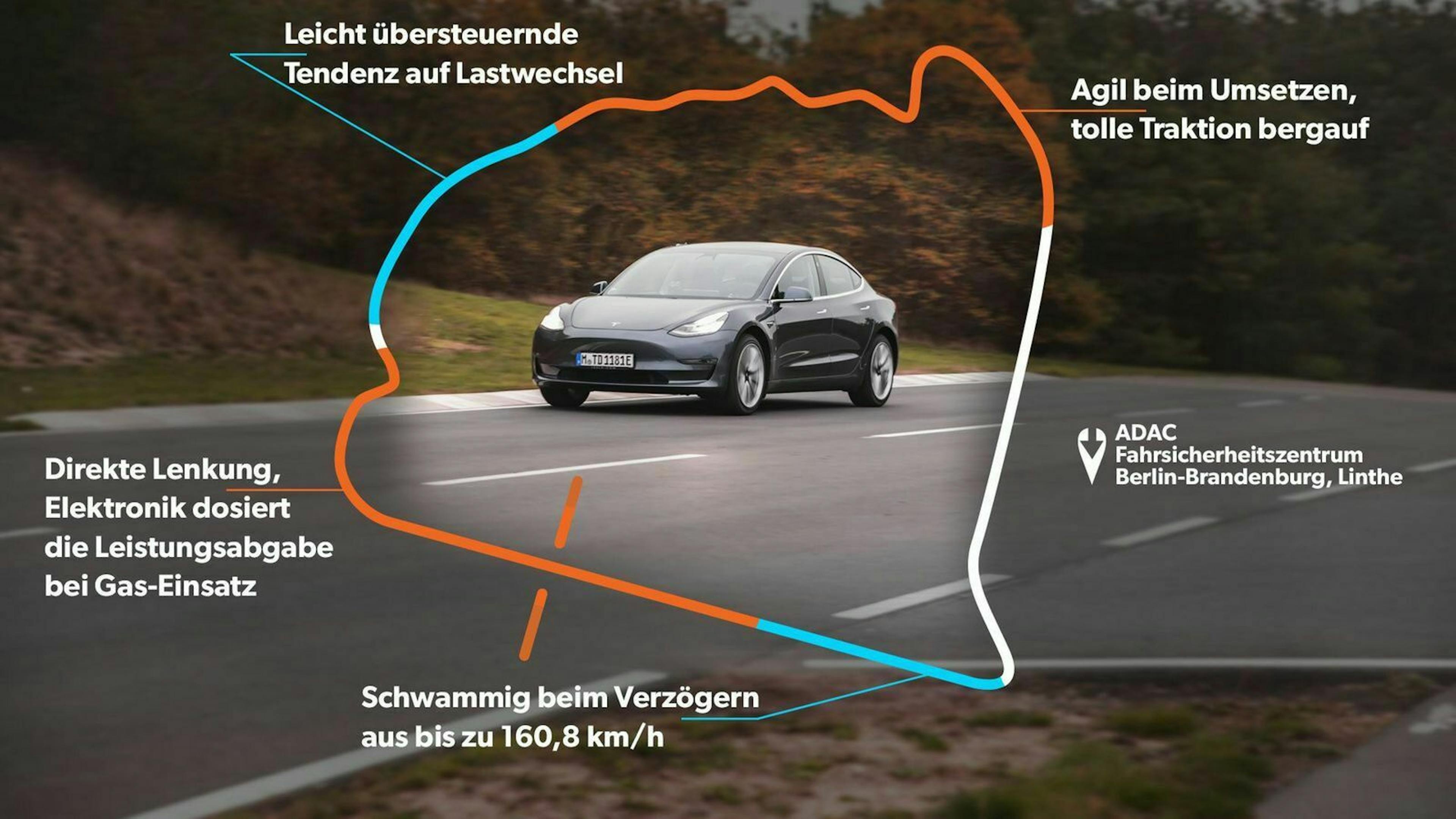
Curves? Gladly, but only in a pack. Because how well the Tesla Model 3 copes on the handling course of the ADAC Driving Safety Center Berlin-Brandenburg varies greatly depending on the section. On the one hand, it's great how uncomplicated the electric sedan drives in the selective part of rotating alternating curves and slight uphill passages. In Sport mode, the steering responds ultra-directly around the center position, while the progressive steering orients the gear ratio to speed.
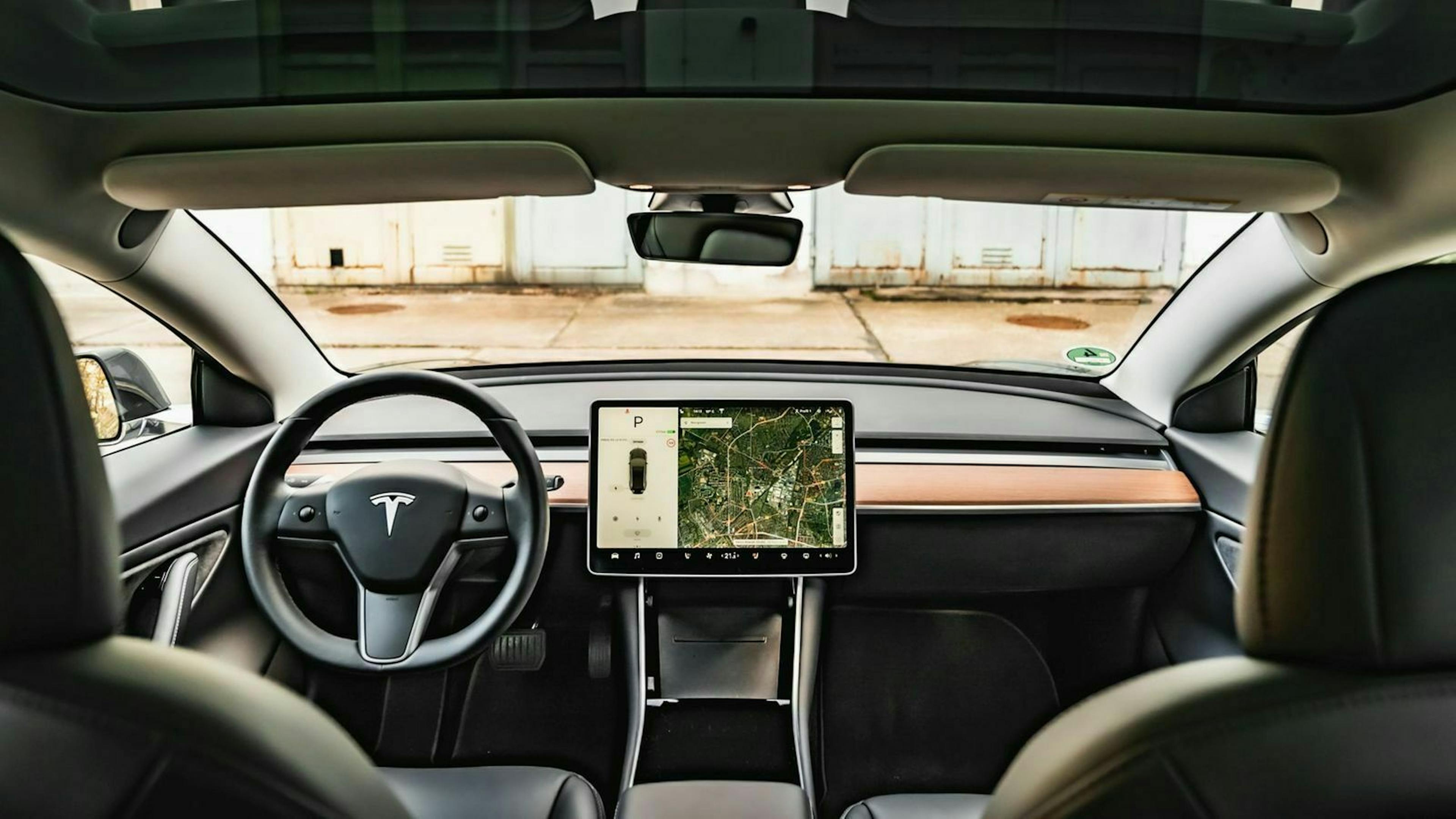
We are far from driving in "Knocking-on-Heavens-Door" mode and remain well below the individual and physical limit. Nevertheless, we are on the road quite quickly: 131.4 km/h is shown by the measuring system at the highest point of the route. Didn't we just come out of the tight, tricky right-hand bend at 41.2 km/h? Fast conversion from one side to the other, that's the world of this Tesla. Of course, the center of gravity is low – the Americans position the 478-kilogram monster of a battery between the axles. At the beginning of the session, the battery pack from Panasonic is at 70 percent (from 72 kWh total net capacity). In theory, with so much energy, you should be able to do more fast laps than the average human stomach can handle.
In practice, the thermals determine the number of fast laps in a row. Emergency running program, then? Hot flush of battery and powertrain? Many people report these problems around 2018, squeezing a Tesla on a closed-off track. But with our Model 3, the performance remains the same over the test period, at least it feels like it does and based on the km/h values. Our temperature problems concern the brake. What is less noticeable during emergency braking becomes a problem before fast corners: the pressure point constantly moves further towards the floor panel, the ABS seems more and more nervous. At the end of the longest straight (from 160.8 km/h down to around 42 km/h) we leave ourselves more and more reserves. At some point we build in gentle laps to cool down. Or take it easy in the faster sections.
As a solitaire, the magic of the curve fades – in long curves you notice the weight of the electric saloon. Here, the body rolls more clearly to the outside than the (non-adaptive) dampers initially promise.
Conclusion: Elon, we want an update!
What remains of the agile impression in alternating curves and slaloms: the responsiveness of the rear axle to load changes. Only that our stability program now ends it as early as Tesla's designers envisage for the "mid-range Model 3". So not particularly restrictive or early. Quite passable, even for a country road trip. And at all times compatible with a safety concept. But at the same time so restrictive that it hurts on cordoned-off grounds. Because we already know how well this electric limo would suit a longer electronic leash. No, this hint does not come with a prudishly raised index finger, not with a pubertal thumb raised. But with pleading hands: Feel free to sit down at the computers in Palo Alto and Berlin Grünheide – there is no excuse for a sudden ESP failure. But an ESP-Off function would suit this Model 3 really well.
Tesla Model 3 (since 2018): Technical data
| Model | Tesla Model 3 Dual Motor Long Range |
|---|---|
| Abstract | electric mid-size sedan |
| Drive | Rear motor: Permanent magnet synchronous motor Front motor: AC induction motor |
| Performance | 440 hp/324 kW (from the front 121 kW/160 hp) and rear: 203 kW/280 hp) |
| System torque | 493 Newton meters |
| Transmission | One single-speed gearbox per axle |
| Battery Capacity | 72 kWh (net) |
| Reach | 580 km (according to WLTP) |
| Consumption | 16 kWh per 100 kilometers |
| Acceleration | 4.8 s from 0 to 100 km/h |
| Velocity | 233 km/h |
| Length | 4,694 mm |
| Width | 1,850 mm |
| Height | 1,443 mm |
| Wheelbase | 2,593 mm |
| Weight | 1,967 kg (incl. driver) |
| Base price | from 52,490 euros |
The Tesla Model 3 (since 2018) in the test - Gallery
