
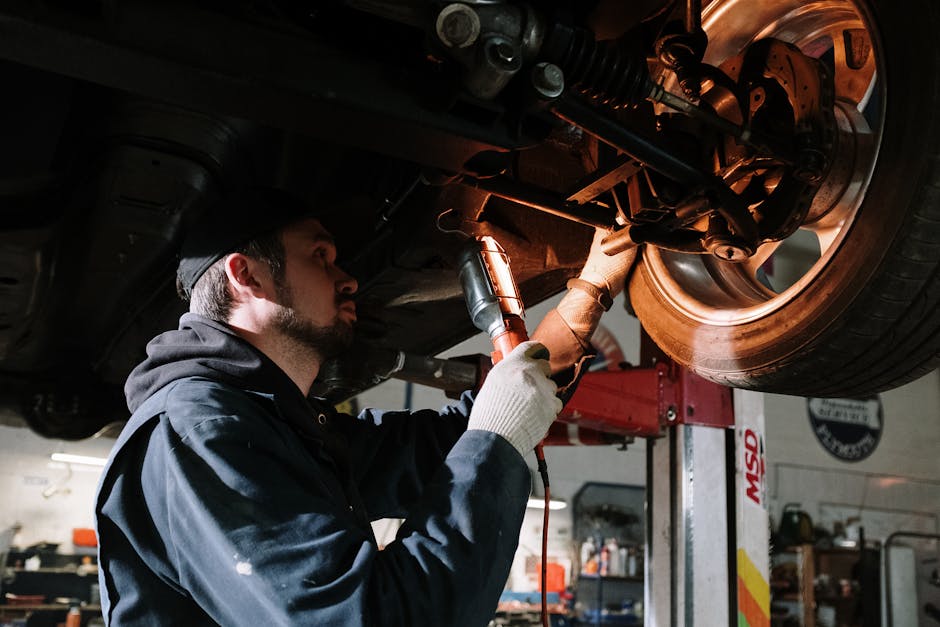
All About Upsizing Tires: Can You Put Larger Tires On Your Car?
Ever wondered if swapping out your car's tires for a bigger set is possible? The answer isn't always a simple yes or no. This article explores the intricacies of tire upsizing, delving into the potential benefits and the crucial considerations that determine if larger tires are right for your vehicle. Determining if you can put larger tires on your car requires careful planning, considering factors like wheel well clearance, speedometer calibration, and potential impacts on your vehicle's handling and safety. Let’s unpack the world of tire upsizing and explore how to can you put larger tires on your car correctly!
What Does "Upsizing Tires" Really Mean?
Upsizing tires, in its simplest form, means installing tires that are larger in diameter than the original tires specified by the vehicle manufacturer. This isn't just about the tire's width; it involves carefully selecting tires that maintain a similar overall diameter to avoid negatively impacting crucial vehicle systems. The goal is often to achieve a more aggressive look, improve off-road performance, or enhance handling characteristics, but it needs to be done with a clear understanding of the potential consequences. The practice is about more than aesthetics; it's about understanding the mechanics and engineering of your vehicle.
The idea of putting larger tires on cars isn't new. Throughout automotive history, enthusiasts have experimented with tire sizes to personalize their vehicles and improve performance. Early modifications often involved trial and error, but modern tire sizing calculators and online forums provide a wealth of information to help enthusiasts make informed decisions. It's evolved from a niche hobby to a more widespread practice thanks to the availability of information and aftermarket components.
What sets this practice apart from simply replacing worn-out tires is the deliberate intention to alter the vehicle's geometry and performance. Unlike merely swapping to the same size, upsizing involves making conscious decisions about tire diameter, width, and aspect ratio to achieve specific goals. It's a proactive choice that requires research and careful consideration, differentiating it from routine maintenance. Expert opinions are split on the best approach. Some emphasize maintaining factory specifications as paramount, citing safety and performance concerns. Others argue that well-planned tire upgrades can enhance a vehicle's capabilities, especially in off-road or specialized driving scenarios. Ultimately, the decision depends on individual needs and a thorough understanding of the vehicle's limitations.
Benefits of Upsizing Tires for Users
The allure of putting larger tires on your car often stems from the potential for enhanced aesthetics and performance. Aesthetically, larger tires can give a vehicle a more aggressive, rugged look, especially when paired with a lift kit. Performance-wise, larger tires can offer increased ground clearance, which is particularly beneficial for off-road driving. A larger tire effectively raises the vehicle, allowing it to navigate obstacles more easily. Furthermore, a wider tire can provide a larger contact patch with the road, potentially improving grip and handling, particularly in dry conditions. This can lead to shorter braking distances and improved cornering stability.
However, these benefits are not without caveats. For example, larger tires with more aggressive tread patterns can significantly increase road noise. Imagine replacing your quiet highway tires with a set of knobby off-road tires; the difference in sound level can be quite dramatic. Furthermore, larger tires can negatively impact fuel economy. The increased rolling resistance requires the engine to work harder, resulting in lower MPG. Consider two identical SUVs; one with stock tires and the other with larger, off-road tires. The latter will invariably consume more fuel.
Compared to other modifications, such as engine tuning or suspension upgrades, upsizing tires offers a relatively simple and visually impactful way to alter a vehicle's appearance and performance. However, unlike a software update that can be easily reverted, changing tire size requires careful planning and consideration of potential consequences. Other alternatives include simply changing wheel size while maintaining the original tire outer diameter, or adding fender flares to allow for wider tires without increasing the overall diameter excessively.
Data from tire manufacturers and independent testing organizations often highlights the trade-offs involved in upsizing tires. While larger tires can improve traction and handling in certain conditions, they can also negatively impact braking performance, fuel efficiency, and ride comfort. Ultimately, the decision to upsize tires should be based on a clear understanding of these trade-offs and a careful assessment of individual driving needs and priorities.
How to Upsize Tires: A Step-by-Step Guide
1. Research and Measurement
The initial step is crucial : thoroughly research your vehicle's specifications and available space. Consult your owner's manual, online forums, and tire size calculators to determine the maximum tire size that can be safely fitted . Measure the clearance between your current tires and the fender wells, suspension components, and brake calipers. A good rule of thumb is to allow at least an inch of clearance to account for suspension travel and turning. Neglecting this research can lead to rubbing , damage to your vehicle, or even unsafe driving conditions. A tire rubbing against the fender liner, for example, can cause the liner to tear or melt, potentially exposing sensitive components to the elements.
Best practices include using a tire size calculator to compare the dimensions of your current tires to the proposed larger tires. Pay close attention to the overall diameter, width, and aspect ratio. Also, research common tire sizes used by other owners of your vehicle to see what has worked successfully for them.
2. Wheel Selection (If Necessary)
Larger tires often require wider wheels to properly support the tire's sidewall. If your existing wheels are too narrow, you'll need to purchase new wheels with the correct width and offset. Wheel offset is the distance between the wheel's mounting surface and its centerline. Incorrect offset can cause the tire to rub against the suspension or fender. Use online resources and consult with tire professionals to ensure the new wheels are compatible with your vehicle and the selected tires. Common mistakes include choosing wheels with an incorrect bolt pattern or center bore, which will prevent the wheel from mounting properly .
Thoroughly research wheel specifications and compare them to your vehicle's requirements. Pay attention to load rating as well, especially if you plan to carry heavy loads or tow trailers. Using wheels with an insufficient load rating can be dangerous .
3. Installation and Alignment
Once you have the tires and wheels, have them professionally installed and balanced. A proper installation ensures the tires are mounted correctly and the wheels are properly balanced to prevent vibrations. After installation, it's essential to have your vehicle's alignment checked and adjusted. Changing tire size can alter the vehicle's suspension geometry, leading to uneven tire wear and poor handling. Neglecting alignment can shorten the lifespan of your new tires and compromise safety. A professional alignment will ensure your vehicle tracks straight and the tires wear evenly.
Consider having a four-wheel alignment performed, which is more precise than a two-wheel alignment. Also, ask the installer to check for any rubbing or clearance issues after the tires are mounted.
4. Speedometer Calibration
Increasing tire diameter will affect your speedometer and odometer readings. The speedometer is calibrated to the original tire size, and a larger tire will cause it to read lower than your actual speed. This can lead to speeding tickets and inaccurate mileage tracking. Consider recalibrating your speedometer using a tuner or aftermarket device. Many modern vehicles have electronic speedometers that can be adjusted relatively easily. Failing to calibrate the speedometer also affects your vehicle's traction control and ABS systems, which rely on accurate wheel speed data.
Research different speedometer calibration options and choose the one that is compatible with your vehicle. Also, be aware that some calibration methods may require professional installation.
Tips Before Upsizing Tires
Before embarking on this modification, careful consideration is paramount. Thoroughly research the limitations of your vehicle. Consult your owner's manual and online resources to understand the maximum tire size that can be safely accommodated.
Avoid exceeding the manufacturer's recommended tire size by more than a few percentage points in overall diameter. Exceeding this limit can lead to serious problems , including rubbing, damage to suspension components, and compromised safety.
Ignoring these tips can result in significant financial costs, including the need for expensive repairs or even vehicle damage. It can also compromise your safety and the safety of other road users. For example, a tire rubbing against the fender can overheat and potentially lead to a blowout.
Common Issues and Solutions Related to Upsizing Tires
One common problem is tire rubbing . This occurs when the tire comes into contact with the fender liner, suspension components, or brake calipers. The solution depends on the severity of the rubbing. Minor rubbing can often be resolved by trimming the fender liner or installing wheel spacers. However, more severe rubbing may require a smaller tire size or suspension modifications.
Another issue is reduced fuel economy . Larger tires have more rolling resistance, which requires the engine to work harder. To mitigate this, consider choosing a tire with a lower rolling resistance rating. Maintaining proper tire pressure and avoiding aggressive driving can also help improve fuel economy.
Finally, handling can be affected . Larger tires can alter the vehicle's center of gravity and suspension geometry. This can lead to changes in handling characteristics, such as increased body roll or reduced steering response. To address this, consider upgrading the suspension with stiffer springs or sway bars. This can help maintain stable handling and improve overall ride quality.
Conclusion
In conclusion, putting larger tires on your car can offer aesthetic and performance benefits, but it requires careful planning and consideration. Understanding the potential consequences and following a structured approach are crucial for a successful and safe upgrade. The key takeaways are to research thoroughly, choose the right tires and wheels, have them professionally installed, and address any potential issues proactively. By implementing these recommendations, drivers can enjoy the advantages of larger tires without compromising safety or vehicle performance. It encourages readers to explore how to can you put larger tires on your car safely and intelligently.